Science Library
Ozone Therapy: Research & Clinical Studies
Ozone therapy has been studied and applied in medical settings for over a century. This page provides a curated selection of peer-reviewed research, clinical studies, and educational content exploring ozone's biological mechanisms and therapeutic applications.
The Experience
What is an Ozone Sauna?
An ozone sauna is a therapeutic system that combines soothing steam heat with carefully controlled ozone gas to support whole-body wellness. Unlike a traditional sauna, the body stays inside the cabinet while the head remains outside, allowing fresh air breathing as ozone is absorbed through the skin.
The AuraO3 Ascension system enhances this approach by incorporating high-volume medical-grade oxygen therapy—users breathe oxygen through a mask during the session, combining Oxygen Therapy with Ozone Steam Sauna Therapy.
Sessions typically last 20–30 minutes. Warm steam opens the pores, enabling ozone to enter the lymphatic system and bloodstream through transdermal absorption. Compared to invasive treatments like autohemotherapy (blood infusion with ozone), the ozone sauna offers a gentle, needle-free alternative that delivers systemic benefits with the added detoxifying effects of steam.
Foundational Science
Understanding Oxidative Stress
Oxidative stress occurs when free radicals overwhelm the body's antioxidant defenses. Free radicals damage cells, proteins, and DNA, accelerating aging and increasing disease risk.
This imbalance contributes to chronic inflammation, cardiovascular disease, neurodegeneration, and metabolic disorders. Supporting the body's antioxidant systems helps restore balance, making oxidative therapies increasingly relevant for maintaining wellness and activating the body's healing and regenerative functions.
Biological Mechanisms
How Ozone Interacts with the Body
When ozone contacts the skin, it reacts with surface oils and moisture, producing lipid oxidation products (LOPs) and reactive oxygen species (ROS). These molecules act as biological messengers that alert the body to activate repair and immune pathways.
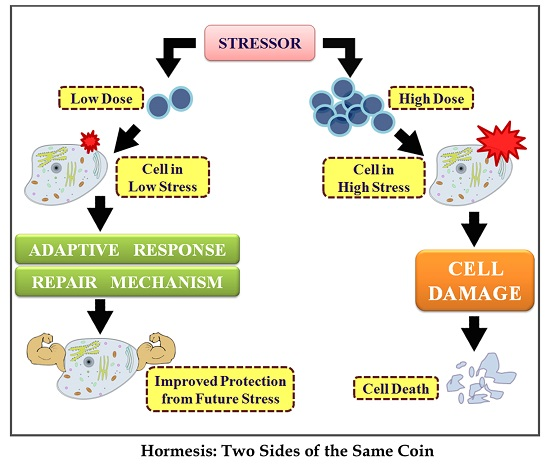
This controlled stimulation produces a hormetic effect—a beneficial response to mild stress. Similar to how exercise strengthens muscles, ozone creates a small oxidative challenge that triggers cellular repair, immune activation, and antioxidant production.
A key pathway activated is Nrf2, the master regulator of antioxidant defenses. Once triggered, the body increases production of powerful antioxidants, improving resilience and long-term balance.
"A physiological ozone dose most frequently ranges between 20 and 40 μg/ml ozone per ml of blood and triggers an acute and precisely calculated oxidative stress able to activate several biological processes."— PubMed Central
Systemic Response
Ozone Sauna's Effects on Oxidative Stress
Heat from the sauna causes vasodilation, increasing circulation and allowing ozone-derived messengers to move rapidly throughout the body. This produces widespread antioxidant activation and immune support.
This effect is particularly beneficial for poor circulation, ischemia, chronic inflammation, and pain—helping deliver oxygen and nutrients while reducing oxidative damage. Compared to intravenous ozone, the sauna provides a slower, more sustained systemic response, enhanced by the immune-boosting effects of heat.
Cellular Pathways
Mechanisms of Ozone in Reducing Oxidative Stress
Ozone therapy stimulates the production of essential antioxidant enzymes, including Superoxide Dismutase (SOD), Catalase, and Glutathione Peroxidase (GPx)—the body's frontline defense against inflammation.
It also boosts levels of glutathione, often called the master antioxidant, which is critical for detoxification, immune strength, and cellular repair. Additionally, ozone suppresses NFκB, a major driver of chronic inflammation, allowing tissues to heal and regenerate more effectively.
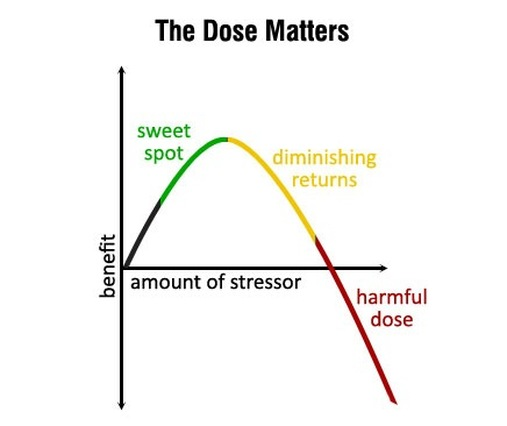
The benefits are dose-dependent, with optimal results occurring in the physiological range of 20–40 μg/ml—a therapeutic "sweet spot" that stimulates repair without causing damage.
"Ozone exhibits a hormetic effect; it can peroxidize the erythrocyte membrane and induce a change in its negative charge, causing minimal oxidative stress. Moreover, it improves circulation and oxygen delivery in ischemic tissues, enhances cell metabolism, modulates antioxidant enzymes, induces a slight activation of the immune system, and increases the release of growth factors."— PubMed Central
Hormesis
The Dose Matters
Ozone therapy follows a hormetic dose-response curve: a small, controlled oxidative challenge activates repair pathways, while too much can overwhelm the system. The therapeutic window—often described as 20–40 μg/ml—is where benefit is maximized without crossing into harm.
Adaptive Response
The Hormetic Effect
Hormesis describes how low levels of stress trigger beneficial adaptation, while high levels become harmful. Often summarized as "what doesn't kill you makes you stronger," this response improves cellular repair and stress resistance.
Key Features of Hormesis
- Biphasic dose response (low = beneficial, high = toxic)
- Activation of antioxidant and repair pathways
- Improved resilience and metabolic efficiency
- Everyday examples: exercise, fasting, sauna exposure, cold therapy, and plant-based antioxidants.
The goal is always to stay within the therapeutic sweet spot—enough stress to stimulate healing without causing harm.
Therapeutic Outcomes
Benefits of Ozone Sauna Therapy
Ozone sauna therapy offers measurable improvements beyond relaxation:
- Improved oxygen delivery to tissues
- Reduced inflammation
- Enhanced immune modulation
- Faster recovery
- Mental clarity and energy
"Treatment with low concentrations of ozone (2–10 µg/mL) indicated a possible neuroregenerative effect at low concentrations, correlated with lower levels of apoptosis and oxidative stress compared to cells not subjected to hypoxia."— PubMed
Safety, Dosage, and Considerations
Ozone therapy is safe when used correctly with carefully controlled low doses. Excessive ozone can overwhelm antioxidant defenses, making proper equipment and trained supervision essential.
Contraindications
- Pregnancy
- Hyperthyroidism
- G6PD deficiency
Side effects are usually mild and temporary, such as brief fatigue or detox symptoms. Because the head remains outside the chamber, lung irritation risk is minimized.
Ozone Sauna vs. Other Oxidative Therapies
Ozone saunas offer a unique combination of heat and biochemical signaling. Compared to hyperbaric oxygen therapy or infrared saunas, ozone saunas provide deeper immune and antioxidant stimulation without the cost, pressure, or clinical intensity.
The whole-body, transdermal approach makes treatment both effective and relaxing—ideal for those seeking non-invasive wellness therapy.
Common Misconceptions
Ozone is harmful when inhaled as air pollution, but medical ozone is pure, controlled, and used safely through the skin. Just as water can both hydrate and drown, dose and method determine safety.
Clinical ozone sauna therapy uses precise protocols to harness benefits without respiratory risk.
Future Research Directions
Ongoing research continues to explore ozone therapy for chronic disease, immune health, neuroprotection, and metabolic disorders. More high-quality human trials focused specifically on ozone sauna therapy will help establish standardized treatment guidelines.
Key Takeaways
- Hormesis activates the body's natural healing and cellular repair systems
- Ozone therapy is a precisely controlled way to hyper-oxygenate the body
- The hormetic effect is triggered by exposure to a specific dose and duration of oxidative stress
- Safety and effectiveness depend entirely on proper dosing
Peer-Reviewed Studies & Clinical Research
The studies below represent a curated starting point for understanding the breadth of ozone therapy research, from biochemical mechanisms to clinical outcomes.
Selected Literature
Studies & Clinical Reviews
A curated starting point for practitioners and researchers.
Mechanisms
Ozone therapy: A clinical review
Journal of Natural Science, Biology and Medicine (2011)
A foundational review of ozone's biochemical mechanisms, describing the Nrf2 antioxidant response, moderate oxidative preconditioning, and improved oxygen delivery.
Read the studyInflammation
Anti-inflammatory and analgesic effects of ozone
International Journal of Molecular Sciences (2023)
Reviews evidence that ozone modulates inflammatory mediators and oxidative stress markers, with reported reductions in pain scores across musculoskeletal applications.
Read the studyMusculoskeletal
Ozone therapy for knee osteoarthritis
Systematic review & meta-analysis (2022)
Pooled trial data associate ozone treatment with improved function and reduced discomfort compared with control interventions in knee osteoarthritis.
Read the studyCirculation
Ozone and oxygen metabolism in peripheral circulation
Medical Gas Research
Examines how ozonated blood shows altered 2,3-DPG levels and red cell rheology, mechanisms linked to enhanced peripheral oxygen availability.
Read the studyImmunity
Ozone as a modulator of the immune system
British Journal of Pharmacology (2019)
Describes the dose-dependent relationship between ozone exposure and cytokine balance, framing low-dose ozone as an immune-regulating stimulus.
Read the studySafety & Dosing
Madrid Declaration on Ozone Therapy
ISCO3 International Consensus
The international consensus document on indications, contraindications, and dosing standards for medical ozone administration.
Read the studyThese references are provided for educational purposes only and do not constitute medical advice. Statements have not been evaluated by the Food and Drug Administration. AuraO₃ products are not intended to diagnose, treat, cure, or prevent any disease.
Speak With Our Team
Bring the Ascension Capsule to Your Space
Our specialists can walk you through protocols, installation, and financing.
Schedule a Consultation